
Transform Every Plate Into Visual Poetry
Food is more than flavor. It's texture, color, and balance meeting on a single canvas. Here in Ipoh, we've spent years teaching chefs how to see food differently—not just as ingredients, but as elements of composition.
Whether you're plating for a fine dining restaurant or experimenting at home, the principles stay the same. Understanding negative space. Choosing colors that complement rather than clash. Building height without losing stability.
Explore Our Programs
What Makes Plating Worth Learning
Good presentation doesn't need expensive equipment. It needs understanding. Most chefs I've worked with already have the skills—they just haven't connected technique to visual thinking yet.
Color Theory in Practice
Learn how specific color combinations trigger different emotional responses. We explore how Malaysian ingredients—from purple yam to bright green pandan—can create stunning visual contrast while staying culturally authentic.
Texture as Visual Element
Smooth sauces. Crispy garnishes. The interplay between textures doesn't just affect taste—it creates visual rhythm. Understanding this changes how you approach every component on the plate.
Negative Space Mastery
The parts you leave empty matter just as much as what you place. We teach when to fill a plate and when to embrace simplicity, helping your featured elements breathe and command attention.
Your Instructor Approach Matters
Real Experience, Real Kitchens
I started plating in professional kitchens fifteen years ago. Back then, Instagram didn't exist and elaborate presentations were reserved for fine dining. Things have changed. Now every cafe and bistro needs visual appeal.
Teaching Through Demonstration
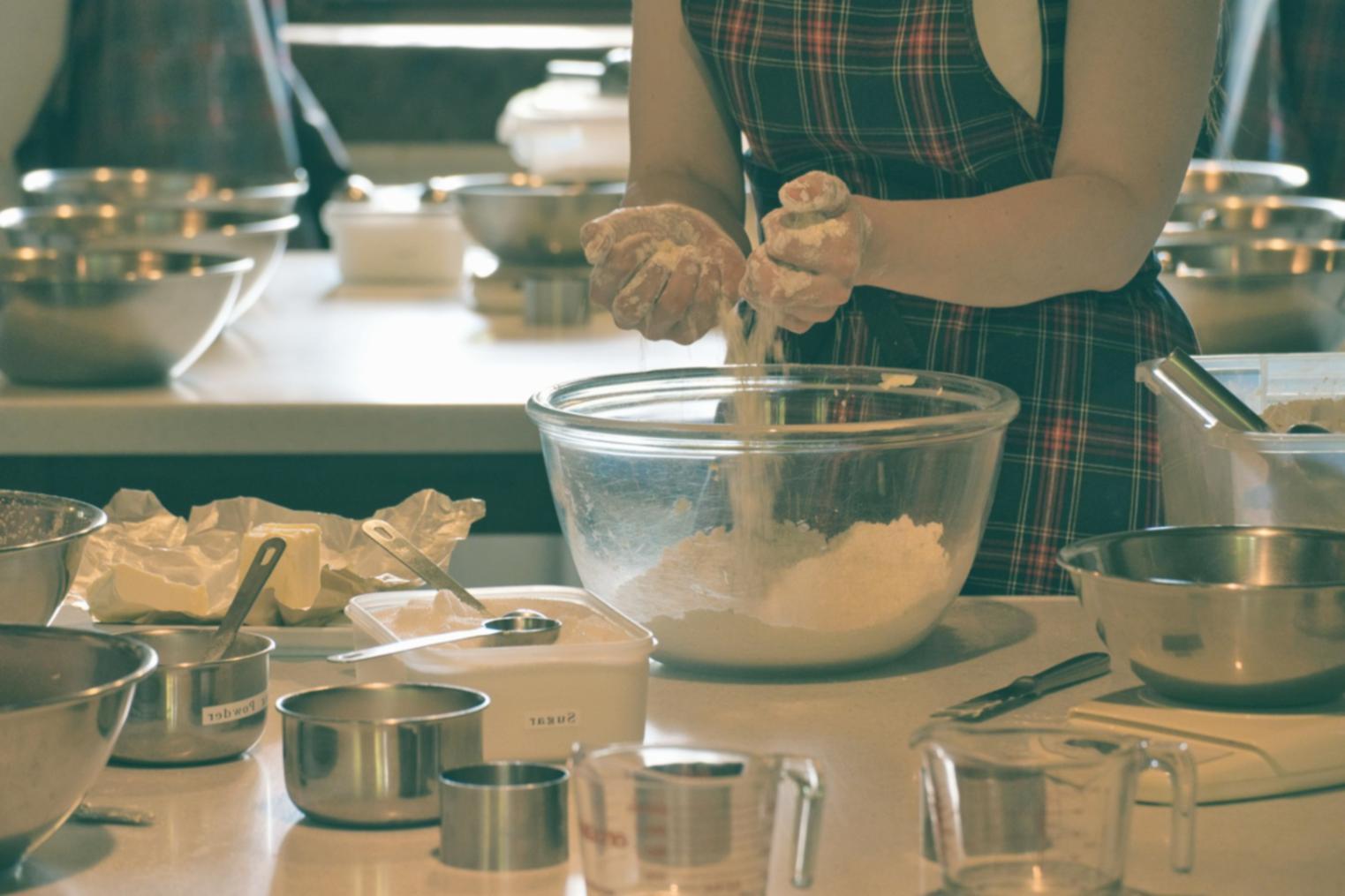
You won't just watch videos. Each session includes hands-on work where I demonstrate techniques, then you practice with immediate feedback. I've found this works better than theory alone—you need to feel how sauces flow, how garnishes balance, how compositions come together.
Adapting to Your Context
Not everyone plates for Michelin restaurants. Some students run hawker stalls, others cook for small cafes. The principles stay consistent, but application varies. We adjust techniques to match your actual working environment and available ingredients.
Meet Your Guides
Instructors Who Actually Plate
We don't hire theory experts. Everyone teaching here has worked in professional kitchens and continues to plate regularly. They understand the difference between artistic concepts and practical execution under pressure.
Siti Nurhaliza Kamaruzaman
Contemporary Plating SpecialistAfter twelve years in hotel kitchens across Kuala Lumpur and Singapore, Siti now focuses entirely on teaching modern presentation techniques. Her background in both Western and Asian cuisines brings unique perspective to cultural fusion plating.
Ahmad Hafiz Tan
Traditional Presentation ExpertHafiz specializes in elevating traditional Malaysian dishes through refined plating without losing cultural authenticity. He's particularly skilled at helping street food vendors adapt presentation techniques that work in high-volume settings.
How Learning Actually Works Here
No theory without practice. No techniques without context. Each session builds on the previous one, moving from foundational principles to complex compositions you can apply in your own kitchen.
Foundation Sessions
We start with visual fundamentals—balance, proportion, focal points. You'll learn to see plates as compositions before adding food. This groundwork supports everything that follows and prevents common mistakes most beginners make.
Technique Development
Sauce work. Garnish precision. Component placement. Each technique gets dedicated practice time with direct instructor feedback. You'll repeat processes until they become natural, not just memorized steps.
Style Exploration
Once fundamentals are solid, we explore different plating philosophies—minimalist, rustic, avant-garde. Understanding various approaches helps you develop your own style rather than copying trends.
Real-World Application
Final sessions focus on speed and consistency. You'll practice plating under time constraints, working with actual kitchen conditions. The goal is reliable execution when service starts, not just beautiful one-off plates.
Ready to See Food Differently?
Our next program cycle begins in six months. Enrollment opens gradually as we prefer small class sizes that allow individual attention during practical sessions.
Why Location Matters
Being based in Ipoh gives us access to Malaysia's diverse culinary landscape without big city distractions. Students often mention how the relaxed environment helps them focus on technique rather than rushing through lessons.
Our teaching kitchen sits within Bandar Cyber, making it accessible while maintaining the quiet necessary for detailed visual work. You'll find parking easier here than in Kuala Lumpur, and accommodation costs less if you're traveling from other states.
But really, location matters because it keeps us connected to real Malaysian cooking—not just international trends. The food culture here influences how we teach presentation, ensuring techniques remain practical for local contexts.